Why a Certified Arborist Consultation Can Save You Money and Trees
Most people call for tree work when something has already gone wrong. A branch has split over the driveway. Roots are lifting a walkway. A pine is leaning after a storm, and suddenly nobody sleeps well when the wind picks up. That is understandable. Trees are easy to ignore when they look healthy from the street.
The trouble is that tree problems usually start years before they become obvious, and by the time they force action, the options are narrower and the bill is often higher. That is where a Certified Arborist Consultation earns its value. Not as a sales appointment. Not as a quick glance from the curb. As a real assessment by someone trained to read structure, species habits, defects, site stress, and risk.
Homeowners are often surprised by what a good arborist actually saves. Sometimes it is the cost of unnecessary Tree Removal Services. Sometimes it is the cost of waiting too long and needing Emergency Tree Services after a failure that could have been prevented. Sometimes the savings are less dramatic but just as real, like avoiding repeated trimming that weakens a tree instead of fixing the underlying issue.
The larger point is simple. Trees are expensive to remove, expensive to replace, and slow to regain their full value. A sound consultation helps you protect the ones worth keeping and make hard decisions early on the ones that are not.
The cheapest tree mistake is the one you never make
Tree work tends to look straightforward from the outside. A branch is over the roof, so trim it. A tree is dropping leaves, so maybe it is dying. A stump is in the way, so grind it out. But tree care is full of hidden costs created by misdiagnosis.
I have seen mature shade trees removed because a homeowner was told they were “rotting out,” when the actual issue was a manageable fungal condition with limited structural impact. I have also seen the opposite, where a declining tree got a cosmetic pruning job instead of a proper risk assessment, only to fail six months later during a wet spring wind event. In both cases, the owner paid twice. First for the wrong service, then for the service that was needed all along.
A certified arborist looks past the visible symptom. If a limb is sagging, the real question is whether the problem comes from excess end weight, a weak attachment, internal decay, root loss, recent storm loading, or old topping cuts that triggered unstable regrowth. Those are very different situations. They do not call for the same treatment, and they certainly do not justify the same budget.
That distinction is Tree service where money is saved. A modest round of Tree Pruning & Crown Shaping can sometimes reduce risk and improve structure for years. In other cases, pruning would only delay the inevitable and increase the chance of failure. Paying for an informed answer upfront is often far cheaper than paying for the wrong crew to do the wrong work.
Not every risky-looking tree is dangerous, and not every green tree is safe
This is one of the hardest truths for property owners to accept. A tree can look rough and still be structurally serviceable. Another can look vigorous, full of leaves, and still be a serious hazard.
Certified arborists are trained to evaluate defects in context. A cavity at the base of a tree matters, but so do species characteristics, wall thickness, canopy load, targets beneath the tree, soil moisture patterns, and root flare condition. A codominant stem may have stood for decades without issue, but if included bark is advancing and one leader is now over a garage, the risk picture changes. The same defect in an open field may be tolerable. Over a child’s play area, it may not be.
This is why Dangerous Tree Assessment and Removal should never be reduced to guesswork or fear. Homeowners often hear blanket statements like “that tree needs to come down,” when the honest answer is more nuanced. The tree may need reduction pruning. It may need Tree Cable and Bracing to limit movement and redistribute load. It may need monitoring at regular intervals. Or yes, it may need removal, but for reasons more specific than “it looks bad.”
A real consultation also addresses target value. Risk is not just about the tree. It is about what the tree could hit if it fails. A defect above a storage shed is one thing. The same defect over a main bedroom is another. Good arborists explain that plainly, without panic and without softening the truth.
The hidden cost of unnecessary removal
People rarely regret removing a truly hazardous tree. They do regret removing a healthy or manageable tree because someone rushed the diagnosis.
Large trees deliver value that is hard to replace quickly. They cool homes, lower heat load on roofs and siding, slow runoff, buffer noise, frame privacy, and anchor the look of a property. Depending on size and placement, removing one mature tree can change afternoon temperatures around a house in a way a homeowner feels immediately. It can also expose lawns, patios, and understory plants to light and wind they were never meant to take.
Then there is replacement. Planting a young tree is not a substitute for losing a forty-year-old oak, maple, or cedar. You can restore canopy over time, but time is the expensive part. It may take ten to twenty years to get meaningful shade back, longer for the visual and environmental benefits of a mature specimen.
This is one reason Tree Removal Services should begin with an assessment, not a chainsaw. A certified arborist may recommend preservation measures that cost a fraction of full removal and replacement. Even when removal is necessary, the arborist can help identify the least disruptive timing, the right scope of work, and whether adjacent trees need protection during the operation.
When pruning saves money, and when it wastes it
Pruning is often sold as maintenance, which is true, but only when it is done for a clear reason and according to the biology of the species. Poor pruning creates repeat costs. Good pruning reduces future costs.
Take overextended limbs above a driveway. If the problem is simply clearance, a targeted pruning job may restore safe passage and reduce end weight at the same time. If the issue is deeper, perhaps a codominant stem with a weak union, then cosmetic trimming around the driveway does little to address the actual risk. The branch may still fail at the attachment point.
Proper Tree Pruning & Crown Shaping can reduce wind sail, improve branch spacing, remove deadwood, improve roof clearance, and shorten the interval between more expensive corrective work. It can also preserve a tree that might otherwise be condemned because of one poorly structured area. I have seen younger trees corrected with thoughtful structural pruning, avoiding the much bigger cost of future removals after defects became permanent.
On the other hand, repeated lion-tailing, topping, or over-thinning creates weak regrowth, sunscald, decay entry, and stress. That often leads to the familiar cycle where a homeowner says, “We just had this tree done two years ago, why does it look worse now?” The answer is usually that the tree was cut to satisfy an immediate visual request instead of managed according to its structure and species response.
An arborist consultation helps set realistic intervals and goals. Not every tree needs annual work. Some need attention every three to five years. Some need one corrective pruning and then monitoring. Some should not be pruned heavily at all because of their current stress load.
Root problems are where expensive surprises begin
Canopy issues get attention because people can see them. Root issues are quieter, and they are often more destructive to both trees and budgets.
Construction damage, trenching, grade changes, overwatering, chronic compaction, and buried root flares can destabilize a tree without changing the canopy right away. By the time the leaves thin or the trunk begins to show stress, the root system may already be compromised. At that stage, homeowners sometimes spend money chasing symptoms with irrigation changes or cosmetic pruning when the real problem is below grade.
A certified arborist reads the site as carefully as the tree. Where does runoff collect? Was a patio installed within the root zone? Is fill soil piled against the trunk? Did a driveway expansion sever structural roots on one side? These are the details that separate a useful diagnosis from a generic estimate.
This matters during Stump Removal & Grinding as well. People often assume stump grinding is purely cosmetic, but nearby roots, underground utilities, replanting plans, and disease history all matter. Grinding too aggressively near adjacent tree roots can damage a tree you intended to keep. Leaving Tree Cable and Bracing infected wood in place may affect what should be replanted in the same spot. A good consultation makes that service more precise and less risky.
Emergency calls are expensive, and many are preventable
Storm work costs more for obvious reasons. It is urgent, dangerous, labor-intensive, and often done under poor access conditions. Cranes, traffic control, after-hours mobilization, and hazard pay all drive up the price. If a tree or major limb is on a house, utility coordination and property protection add another layer of complexity.
Not every emergency can be prevented. Healthy trees fail in extreme weather. Saturated soils can topple even well-rooted specimens. But many emergency calls begin with warning signs that were missed or dismissed.
Here are some of the ones that warrant a consultation before the weather turns ugly:
- fresh cracks in major limbs or at branch unions
- soil heaving or new lean after heavy rain
- mushrooms or conks near the base of the trunk
- large deadwood over roofs, driveways, or play areas
- bark seams, cavities, or old wounds that are suddenly expanding
Those signs do not always mean immediate removal. They do mean the tree deserves a proper assessment. Spending a consultation fee and, if needed, a measured pruning or support system can be far cheaper than calling Emergency Tree Services at 2 a.m. After a limb has punched through a roof.
The cost difference is not trivial. Planned work benefits from scheduling, site prep, and competitive pricing. Emergency work happens when choices are limited. A tree that could have been reduced or braced for a moderate fee may turn into a full hazardous removal with property damage attached.
Support systems can preserve valuable trees
One of the most misunderstood parts of arboriculture is the role of support systems. Many homeowners assume a crack or weak union means the tree has reached the end of the line. Sometimes that is true. Other times, Tree Cable and Bracing can extend the safe useful life of a tree significantly when paired with appropriate pruning and monitoring.
Support systems are not miracle fixes. They do not make a failing tree healthy. They are tools used in specific circumstances, such as codominant stems with valued canopy, long heavy lateral limbs with good overall vitality, or structurally significant trees where removal would have major site or aesthetic consequences.
The value here is twofold. First, support may preserve a mature tree that contributes heavily to shade, privacy, and property character. Second, it can spread costs over time. Instead of paying for immediate full removal, stump work, and replacement, a homeowner may invest in a lower-cost preservation plan with regular inspections. That is not always the right call, but when it is, it can be financially sensible.
The key is judgment. A support system only makes sense when the tree has enough health and structural integrity to justify it. That is exactly the kind of call a certified arborist is trained to make.
Wildfire risk is another place consultations pay for themselves
In fire-prone regions, tree care is not only about aesthetics or storm safety. It is also about defensible space, ladder fuels, crown spacing, ember exposure, and access for suppression crews. The wrong trees in the wrong places can increase fire behavior around a home. So can the right trees that have been neglected for too long.
Wildfire Mitigation Tree Services often focus on reducing fuel continuity while preserving the benefits of a healthy landscape. That balance matters. Over-thinning a property can expose the site to heat, erosion, and wind. Under-managing it can leave dangerous vertical and horizontal fuel ladders in place.
A certified arborist can help identify which trees should be pruned, which should be removed, which lower limbs should be lifted, and where spacing matters most based on slope, species, and structure proximity. That prevents the common mistake of spending heavily on broad clearing while missing the areas that actually carry the most risk, such as dense understory under conifers or branches overhanging combustible roofing.
Money is often wasted when mitigation is done too aggressively in low-risk spots and not aggressively enough near structures, access roads, or utility corridors. A consultation helps direct funds where they have the greatest effect.
The quote is not the diagnosis
This is one of the practical distinctions homeowners should keep in mind. A work estimate tells you what a company is willing to do and what it will charge. It does not automatically tell you what should be done.
There is nothing wrong with requesting bids for removal or pruning. The mistake is assuming all bids begin from the same diagnosis. They often do not. One contractor sees a hazard. Another sees a maintenance issue. A third sees a tree worth preserving with selective work. If you compare only the price line, you may never notice that you are comparing different medical opinions, not different costs for the same treatment.
A Certified Arborist Consultation gives you a baseline. It clarifies the problem, the urgency, the reasonable options, and the likely outcome of each one. Once you have that, bids become far more useful because you can compare scope against a professional recommendation rather than against your own uncertainty.
That is especially important with high-ticket decisions like removals near homes, crane jobs, large Stump Removal & Grinding projects, or complex pruning in mature canopies. The larger the invoice, the more valuable it is to know whether the proposed work is necessary and proportionate.
What a useful consultation should cover
A serious consultation usually includes more than a walk-around and a verbal opinion shouted from the lawn. The best ones are focused, site-specific, and clear about uncertainty where uncertainty exists.
A homeowner should expect the arborist to address most of the following:
- species, age class, and overall vigor
- structural defects, site conditions, and likely failure points
- realistic management options, including preservation and removal
- timing, maintenance intervals, and follow-up needs
- how nearby construction, irrigation, grading, or weather patterns affect the tree
That level of detail is what turns the consultation into savings. It may tell you that a tree can wait two years for action instead of needing urgent removal. It may tell you that a single codominant stem should be reduced and cabled while the rest of the tree remains sound. It may tell you that the stump near the fence should be ground shallow because of utility lines and neighboring roots. These are not dramatic revelations, but they are the kinds of specifics that prevent expensive mistakes.
When removal really is the right answer
A good arborist is not there to save every tree at all costs. Sometimes the recommendation is straightforward removal, and delaying it only increases risk and expense.
That tends to be the case with severe root plate failure, advanced decay in critical load-bearing areas, major structural cracks, repeated large limb failures, or trees whose defects cannot be mitigated because the target beneath them is too valuable. In those situations, the savings come from acting before the tree chooses the timing for you.
Planned Dangerous Tree Assessment and Removal is generally safer, less destructive, and less expensive than post-failure cleanup. You can schedule access, protect landscaping, coordinate with neighbors, and decide whether to include Stump Removal & Grinding immediately or later. If replacement planting is part of the plan, you can choose a more suitable species for the site rather than rushing a decision after a loss.
There is also emotional value in making that choice with confidence. Removing a large established tree is not easy for most property owners. A professional assessment helps them know the decision was based on evidence, not pressure.
The long view pays best
Trees reward patience, but they also reward timing. Small problems are usually cheaper to manage than large ones. Corrective pruning on a young tree costs far less than removing the same tree twenty years later after poor structure becomes a hazard. Addressing compaction and root flare issues early may preserve a tree that would otherwise decline into costly failure. Installing support before a crack opens further may avoid both emergency work and collateral damage.
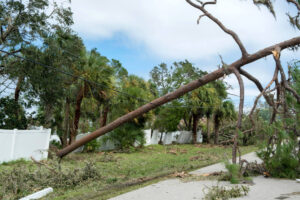
That is the real financial case for a certified arborist consultation. It is not just about a one-time opinion. It is about seeing the tree, the site, and the future costs as one connected system.
If you own mature trees, have recent storm damage, are planning construction, or are being told a tree must come down, getting a qualified arborist’s view is one of the more cost-effective decisions you can make. Sometimes that consultation will confirm removal. Sometimes it will lead to Tree Pruning & Crown Shaping, Tree Cable and Bracing, or focused Wildfire Mitigation Tree Services. Sometimes it will tell you the tree is fine and save you from spending money you never needed to spend.
Either way, you end up with something more valuable than a quick estimate. You get a defensible plan, fewer surprises, and a better chance of keeping both your budget and your trees intact.
Name: Ace Tree Services Ltd.
Address: 4656 Wallace Hill Rd, Kelowna, BC V1W 4C2, Canada
Phone: 250-212-9593
Website: https://acetree.ca/
Email: [email protected]
Hours:
Sunday: Closed
Monday: 7:00 AM–5:00 PM
Tuesday: 7:00 AM–5:00 PM
Wednesday: 7:00 AM–5:00 PM
Thursday: 7:00 AM–5:00 PM
Friday: 7:00 AM–5:00 PM
Saturday: 7:00 AM–5:00 PM
Time zone: Pacific Time
Open-location code / Plus code: RHF8+8G Kelowna, British Columbia, Canada
Map/listing URL: https://www.google.com/maps/search/?api=1&query=Google&query_place_id=ChIJxRVIBx2LfVMRNRSkp6-IC0U
Embed iframe:
Socials:
https://www.facebook.com/p/Ace-Tree-Services-61585901931447/
Ace Tree Services Ltd. provides professional tree care from its Kelowna location on Wallace Hill Road.
The official website lists tree removal, stump removal and grinding, tree pruning and crown shaping, emergency tree services, certified arborist consultation, dangerous tree assessment and removal, tree cabling and bracing, and wildfire mitigation.
Ace Tree Services serves homeowners, businesses, and property owners in Kelowna and throughout the Okanagan Valley.
The company’s official site highlights ISA Certified Arborist support, local Okanagan experience, and fully insured tree service work.
Customers can contact Ace Tree Services for planned tree maintenance, high-risk removals, storm-related tree concerns, pruning, stump grinding, and arborist consultation needs.
The supplied public listing address is 4656 Wallace Hill Rd, Kelowna, BC V1W 4C2, near rural and residential service areas in southeast Kelowna.
For tree services in Kelowna and the Okanagan, call 250-212-9593, email [email protected], or visit https://acetree.ca/
The public map listing uses plus code RHF8+8G Kelowna, British Columbia, Canada and can help customers find Ace Tree Services Ltd. near Wallace Hill Road.
Popular Questions About Ace Tree Services Ltd.
What does Ace Tree Services Ltd. do?
Ace Tree Services Ltd. provides tree removal, stump removal and grinding, tree pruning and crown shaping, emergency tree service, certified arborist consultation, dangerous tree assessment and removal, tree cabling and bracing, and wildfire mitigation.
Where is Ace Tree Services Ltd. located?
Ace Tree Services Ltd. is listed at 4656 Wallace Hill Rd, Kelowna, BC V1W 4C2, Canada.
What phone number should customers call?
Customers can call Ace Tree Services Ltd. at 250-212-9593.
What is the email address for Ace Tree Services Ltd.?
The supplied email address is [email protected].
What are Ace Tree Services Ltd.’s hours?
The supplied listing hours show Monday through Saturday from 7:00 AM to 5:00 PM, with Sunday closed, Pacific Time. The official website lists 7:00 AM to 5:00 PM, Monday through Friday, so customers should confirm Saturday availability before booking.
Does Ace Tree Services Ltd. provide emergency tree service?
Yes. The official website lists emergency tree services, including emergency tree removal, dangerous tree assessment, emergency stabilization, and limb or branch cleanup.
Does Ace Tree Services Ltd. offer arborist consultations?
Yes. The official services page lists certified arborist consultation as one of the company’s Okanagan tree services.
Does Ace Tree Services Ltd. provide stump grinding?
Yes. The official services page lists stump removal and grinding as a service.
What areas does Ace Tree Services Ltd. serve?
The official website states that Ace Tree Services serves Kelowna and the Okanagan Valley.
How do I contact Ace Tree Services Ltd.?
Call 250-212-9593, email [email protected], visit https://acetree.ca/, or use the listed social profile: Facebook.
Landmarks Near Kelowna, BC
Wallace Hill Road: The road listed for Ace Tree Services Ltd. and a practical reference point for the company’s Kelowna location.
East Kelowna: A nearby rural and residential area where tree maintenance, pruning, removals, and wildfire mitigation can be important for property owners.
Myra-Bellevue Provincial Park: A major outdoor landmark southeast of Kelowna and a useful reference for the surrounding hillside and forested areas.
Gallagher’s Canyon: A nearby Kelowna community with residential properties, mature trees, and landscape maintenance needs.
Kettle Valley: A southeast Kelowna neighborhood with homes, parks, and landscaped properties.
Mission Creek Greenway: A well-known natural corridor in Kelowna and a local reference point for tree-lined recreation areas.
Orchard Park Shopping Centre: A major Kelowna retail landmark and citywide reference point.
Downtown Kelowna: A central business and residential district within Ace Tree Services’ broader Kelowna service area.
Okanagan Lake: A major regional landmark running through Kelowna and the surrounding Okanagan Valley.
Mission Creek Regional Park: A recognizable Kelowna park and natural landmark with extensive trees and trails.
Rutland: A large Kelowna community with residential and commercial properties that may need tree service support.
Glenmore: A Kelowna neighborhood with homes, parks, and established trees.
Lower Mission: A residential and lake-adjacent Kelowna area where pruning, tree health, and property safety can matter for homeowners.
Kelowna International Airport: A major transportation landmark north of central Kelowna.
West Kelowna: A nearby Okanagan community across the lake and a practical regional service reference.
For tree removal, stump grinding, pruning, crown shaping, emergency tree service, arborist consultation, dangerous tree assessment, cabling and bracing, or wildfire mitigation near these Kelowna and Okanagan landmarks, contact Ace Tree Services Ltd. at 250-212-9593, email [email protected], or visit https://acetree.ca/